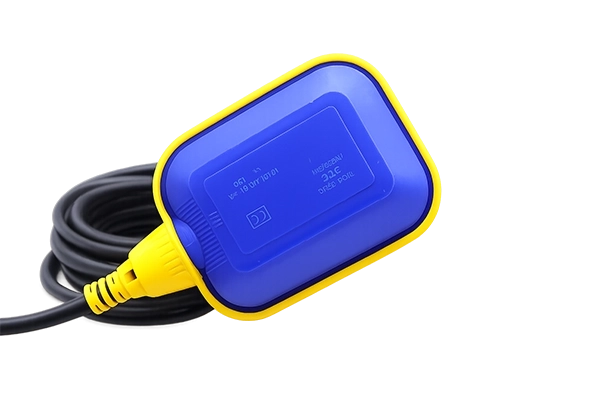
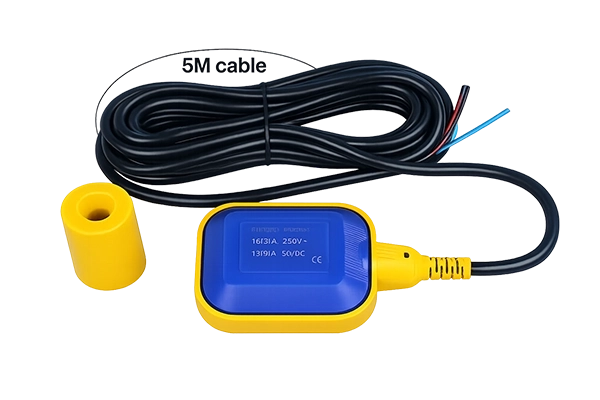
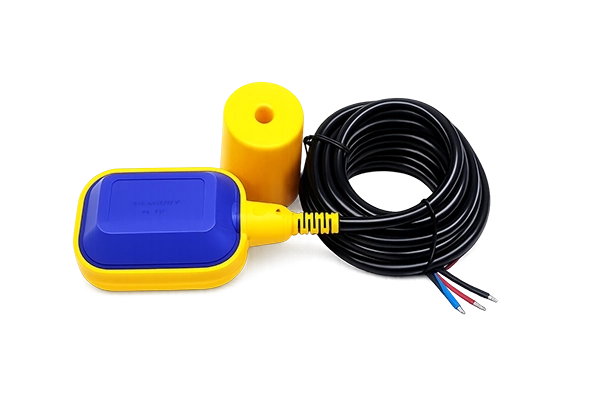
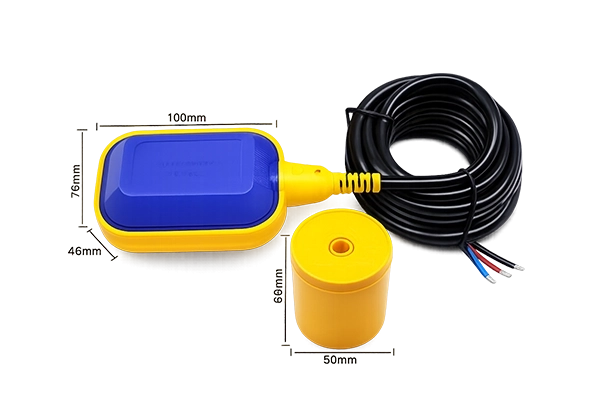
Float Switch
Price
QR 0,00
AQUASTRONG Float Switch provides automatic water level control and reliable pump protection for water tanks and water treatment systems.
Manufacturer:
AQUASTRONG
Availability:
In Stock
-
Operation Type:
-
Normally Open (NO): The circuit is open (off) when the float is down and closes (on) when the float is up.
-
Normally Closed (NC): The circuit is closed (on) when the float is down and opens (off) when the float is up.
-
Some models offer a combination of both NO and NC contacts within a single switch.
-
-
Electrical Rating: The maximum voltage and current the switch can handle (e.g., 250VAC, 10A). It is critical to match this with the pump or load it controls. Never exceed the switch's electrical rating.
-
Material: The float and cable are typically made from materials resistant to corrosion and chemicals, such as:
-
Float: Polypropylene (PP), Nylon, or PVC for water, sewage, and mild chemicals.
-
Cable: PVC jacketing, often with a stainless steel weight on the cable to keep it hanging straight and prevent tangling.
-
-
Temperature and Chemical Resistance: The specific material grade determines the liquids it can handle and the operating temperature range (e.g., 0°C to 80°C is common)
Powered by Phoca Cart
OUR PRODUCT
OUR PARTNER












No module Published on Offcanvas position
